How to Organize a Tasting Event in a Bar With Private Room
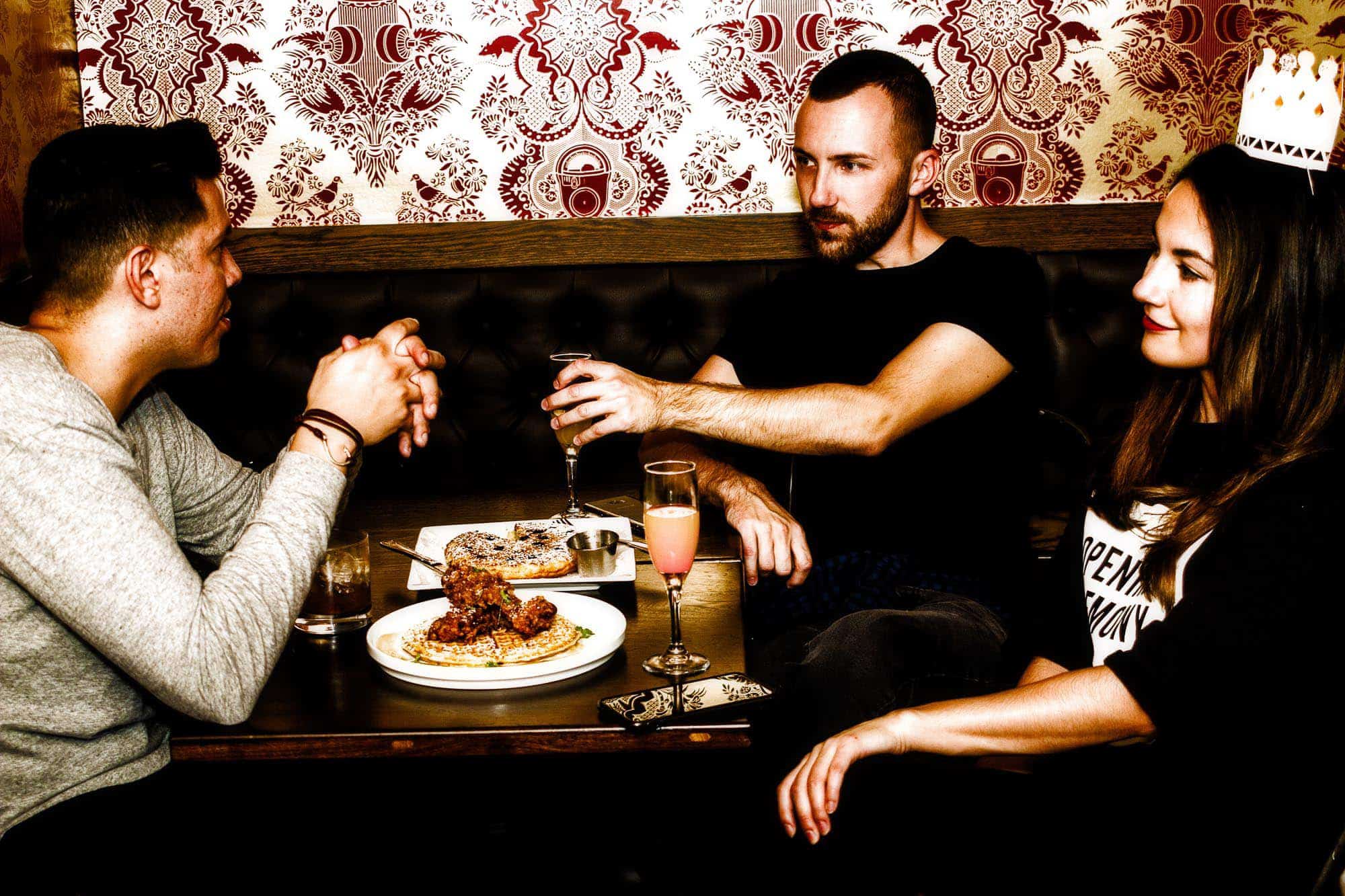
A tasting event can be one of the smartest ways to use a bar’s private space. Done well, it turns a quiet room into a revenue driver, gives guests something more memorable than a standard drinks booking, and lets the bar show real personality. Done badly, it feels expensive, rushed, and oddly flat, even when the bottles are good.
The difference usually comes down to planning details that guests never notice directly. Glassware arrives on time. The room sounds warm rather than echoing. The pacing leaves enough room for conversation. The pours are generous enough to feel worthwhile, but restrained enough that guests can still taste the last round with a clear palate. In a Bar With Private Room, those details matter even more because the event sits halfway between hospitality and production. You are not just serving drinks. You are staging an experience in a contained environment where every flaw is more visible.
I have seen tasting events succeed with a modest lineup and a skilled host, and I have seen expensive events underperform because the room setup fought the format. The strongest events start by answering one practical question: what kind of evening is this supposed to be?
Start with the shape of the night
Not every tasting should look the same. A whisky flight for twelve collectors, a wine discovery evening for a client team, and a cocktail-led brand launch for forty guests all require different decisions. Before choosing bottles or printing menus, define the event in plain language.
Is the purpose educational, social, celebratory, or commercial? Educational tastings need cleaner pacing, better sightlines, and a host who can keep the room’s attention. Social tastings can afford more looseness, but they still need structure or the energy will drift. If it is a corporate event, the buyer may care as much about timing and privacy as the tasting itself. If it is a consumer ticketed event, perceived value becomes critical, and every guest will silently calculate whether the pour quality, food, and presentation justified the price.
That early clarity influences almost everything else. A serious spirits tasting may work best with seated service, tasting mats, water jugs, and a quiet room. A sparkling wine event often benefits from movement, lighter seating, and a brighter atmosphere. A beer tasting can handle a more informal rhythm, but it still needs disciplined serving temperatures and enough table space for notes and snacks.
A Bar With Private Room gives you control, which is a real advantage, but control only helps if the format suits the room. A narrow room with low light may feel intimate for whiskey, yet cramped for a mixed wine audience who need to see color in the glass. A room with fixed banquet seating may support a guided flight but work poorly for interactive cocktail stations. The room is not just a venue feature. It is part of the event design.
Match the room to the tasting style
Private rooms are often sold on exclusivity, but exclusivity alone is not enough. The room must function. Before confirming the booking, walk through it with the event in mind, not just the sales sheet in hand.
Listen for noise bleed from the main bar. A tasting host speaking over heavy music from outside the room will burn through goodwill quickly. Check lighting at table level. Guests do not need bright overhead glare, but they do need to read tasting cards and see what is in the glass. Test where staff can enter and clear without cutting across the speaker. Look at where empty glassware and opened bottles can be staged discreetly. If there is a screen or projector, ask whether it genuinely helps or whether it turns the room into a meeting space when what you need is warmth and conversation.
Capacity is another common trap. A room that seats thirty for dinner may only work for twenty in a tasting format once you account for glassware, water, bread, note cards, and bottle display. I would rather slightly underfill a private room than squeeze in extra covers and leave guests elbow-to-elbow. Tasting requires physical space. People need room to swirl, compare, write, and talk.
There is also a psychological side to room choice. Guests tend to behave differently in a private room than in the open bar. They expect a clearer host presence and a more curated flow. That can work in your favor. It creates a sense of occasion. But it also means loose service or uncertain hosting becomes more obvious. In the main bar, some disorder blends into the energy. In a private room, it reads as poor planning.
Build the event around a coherent tasting theme
The easiest mistake is choosing products that are individually good but collectively random. Guests remember a line of thought more than they remember a list of labels. A theme gives them something to follow and something to talk about on the way home.
A vertical tasting of one producer tells a different story from a regional comparison. A tequila event focused on production methods will attract a https://israelerwk007.lucialpiazzale.com/how-a-bar-with-private-room-balances-fun-and-privacy different crowd than a cocktail tasting built around seasonal ingredients. If the audience is mixed, avoid themes that require too much prior knowledge. “Old World vs New World Sauvignon Blanc” can work. “Single cask peated malts from independent bottlers” may narrow the appeal unless your guest list is highly specific.
A useful test is whether the theme can be explained in one sentence without sounding forced. If it cannot, it may be too broad or too clever. Some themes that tend to work well in a Bar With Private Room setting include producer spotlights, style comparisons, seasonal discoveries, food pairings, and guided journeys through one category at different price points.
Price point matters more than many hosts admit. People do not need luxury liquid at every event, but they do need a sense that care went into the selection. Four well-chosen pours with contrast and a strong narrative often outperform six poorly connected pours. More is not always better. After about five tasting samples, palate fatigue starts to creep in for many guests, especially if the category is high-proof or heavily oaked.
Set the commercial model before you buy anything
There is romance in curating a tasting. There is nothing romantic about realizing, two days before the event, that glassware rental, staffing, and canapés have wiped out the margin.
Work backwards from your costs. Bottle spend is only one line. You also need to consider room opportunity cost, staffing levels, host fees if applicable, printing, breakage, water, ice, garnish if cocktails are involved, food pairings, cleaning time, and any merchant or ticketing fees. If the private room would normally book for a minimum spend on a Friday night, a tasting event has to beat or strategically justify that revenue.
Ticket pricing should reflect not just liquid value, but the whole experience. Guests will pay more if the event feels scarce, polished, and genuinely guided. They will resist higher pricing if it feels like a standard bar booking with a few extra pours. For private buyouts, especially corporate or celebratory bookings, it often helps to price as a package rather than as a headcount plus endless add-ons. Simplicity closes sales.
One practical rule has served many operators well: keep one version of the event easy to understand and easy to repeat. It is fine to create premium one-off tastings, but your business will benefit from having a format that can run again with minor changes. Repeatable events reduce planning friction and train the team.
Get the guest list right
A tasting event is partly built by the people in the room. Twelve engaged guests can create better energy than twenty-five passive ones. This matters whether you are selling tickets, planning a client event, or hosting a private group.
A public event should speak clearly to a target audience. If your copy says “for everyone from beginners to experts,” it usually means the positioning is weak. Better to say that the event is beginner-friendly but led with serious product knowledge, or that it is intended for enthusiasts looking to compare styles side by side. Specificity helps people self-select.
Private groups need a different approach. Ask the organizer a few direct questions. Are these colleagues who know each other well, or clients meeting for the first time? Do they want a host-led educational experience, or something lighter and more social? Is anyone abstaining from alcohol, avoiding certain foods, or likely to arrive late? That last point sounds minor, but one chronically late VIP can throw off the first twenty minutes of a tightly paced tasting.
If you expect a mixed-experience audience, brief the host accordingly. The best tasting hosts make knowledgeable guests feel respected without leaving newcomers behind. That is a skill. It is not simply a matter of reading tasting notes out loud.
Design pacing that respects the palate
Tastings fail when they drag, but they also fail when they feel like speed dating with glassware. Guests need enough time to register each pour, compare it with the last one, and settle into the room. A good pace has movement without rush.
For a typical ninety-minute event, four pours is often a comfortable structure. Two hours can support five pours, perhaps with a short food interval or a reset point. Stronger categories such as whisky, mezcal, or fortified wine usually benefit from smaller pours and slightly longer pauses. Sparkling wine and lighter cocktails can move a bit faster. If food pairings are involved, build in extra service time. Pairings slow everything down, and that is not a flaw if the room is expecting a more leisurely evening.
The serving order matters as much as timing. Lighter, brighter, drier styles generally go first, followed by richer, fuller, or sweeter examples. Within spirits, consider proof, intensity, and finish. You want contrast, but not chaos. A heavily smoky Scotch too early in the lineup can flatten everything that follows.
The host should know exactly when staff will pour, clear, and circulate food. This is one of those details guests only notice when it goes wrong. I once watched a very polished wine educator lose the room because canapé trays arrived during the key comparison segment. Half the guests turned to grab food, the other half kept listening, and from that point onward the evening never fully regained rhythm.
The service plan is where most events are won or lost
A strong tasting depends on disciplined front-of-house work. This is not simply “normal service in a private room.” The team needs a plan tailored to the format.
Here is the service checklist I would confirm before doors open:
- Every place setting has the correct glassware, water access, napkins, and any printed material already in position.
- Open bottles, backup stock, ice, dump buckets if needed, and polishing cloths are staged out of sight but within easy reach.
- Staff know the pour size, the sequence, and who cues each round.
- Food service, if included, has exact timing windows rather than vague “around the second pour” instructions.
- Someone is responsible for late arrivals, payment issues, and guest questions so the host is not constantly interrupted.
That level of coordination sounds obvious, yet it is surprisingly rare. Private room events often suffer from split ownership, with sales handling the booking, the bar team choosing product, and floor staff inheriting execution with partial information. A short pre-service briefing solves much of that. Cover the event purpose, guest profile, running order, names of VIPs, allergies, and what “good” looks like by the end of the night.
Glassware deserves special attention. If you are pouring four wines into one all-purpose stem because stock is tight, make peace with the compromise and structure the event accordingly. If you promise a premium tasting, guests expect cleaner presentation. The same logic applies to water. A thirsty room becomes a tired room. Keep water visible and constantly refreshed.
Food pairing can elevate or distract
Food is not mandatory, but it should never be an afterthought. A small, well-judged pairing can sharpen a tasting and make the event feel complete. A clumsy food program can muddle the palate and absorb too much staff attention.
The safest route is to think in terms of support rather than spectacle. Bread, crackers, mild cheese, charcuterie, small seafood bites, or restrained desserts can all work depending on the category. Large plated dishes tend to shift the evening away from tasting and toward dinner, which may be the goal, but should be intentional. Spicy, very sweet, or heavily garlicky items can flatten subtler pours. For spirits, guests usually appreciate a little substance, but not something so rich that it coats the palate.
If the private room booking is meant to impress clients or celebrate a milestone, there is a temptation to overproduce the food. Resist it unless the concept genuinely calls for a pairing dinner. A tasting event built around six canapés, a grazing table, and five pours can become awkwardly fragmented. The room no longer knows what to pay attention to.
Hosting matters more than prestige bottles
People often assume the bottle lineup is the star. It helps, certainly, but a great host can carry a modest lineup much further than an average presenter can carry rare stock.
The right host reads the room, adjusts detail level, keeps energy moving, and never sounds like they are reciting sales copy. They know when to offer context and when to let the glass do the work. They can answer technical questions without turning the event into a lecture. Most of all, they understand that hospitality comes before performance. The goal is not to impress guests with expertise. The goal is to make guests enjoy using their attention.
That standard applies whether the host is your bar manager, a brand ambassador, a sommelier, or an external educator. Brand ambassadors can bring strong product knowledge and sometimes budget support, but they vary widely in presentation style. Some are excellent. Others feel promotional. If you bring one in, brief them on the room and audience. A private event in a bar setting usually benefits from warmth, flexibility, and concise storytelling, not a scripted product seminar.
Promotion should sell the experience, not just the lineup
When marketing a tasting, it is easy to lean too hard on brand names and forget the emotional case for attending. Guests need to understand what the night will feel like. Will they discover something new? Meet the maker? Compare pours side by side? Enjoy a guided evening in an intimate Bar With Private Room setting? The strongest event copy answers those questions naturally.
Good promotion also removes uncertainty. State the duration, number of pours, whether food is included, the level of formality, and who the event suits. If seats are limited, say so plainly. Scarcity works best when it is true. If the private room only comfortably holds sixteen guests for this format, that limitation can become part of the appeal.
Images help, but accuracy helps more. If past events looked polished, show that atmosphere. If the room is particularly elegant or secluded, that is worth mentioning. Privacy is valuable for many buyers, especially for work groups, milestone birthdays, and hosts who want a more contained environment than the main floor.
Plan for things that go wrong
Every event has friction points. The trick is to decide in advance which problems deserve prevention and which simply need calm handling.
The most common issues are late guests, broken glassware, one bottle showing poorly, a guest who expected more food, and timing drift caused by conversation. None of these are fatal, but each one affects the room if the team looks surprised. Hold at least one backup bottle for every key pour. Keep extra glassware nearby. Decide how long you will wait before starting. If a pour is corked, oxidized, or otherwise off, move on cleanly and confidently.
Here are the contingency questions worth answering before service:
- What happens if six guests arrive fifteen minutes late?
- Which staff member can replace glassware or reset a spill without interrupting the host?
- Do you have backup stock if a featured bottle is faulty or runs short?
- How will you handle guests who want to stay in the room and order more afterward?
- If the event is underbooked, can you tighten the setup so the room still feels lively?
That last point is especially relevant. A private room can feel wonderful when full and awkward when half empty. If bookings come in light, reduce the footprint. Consolidate seating. Use the room’s strongest corner. Intimacy feels intentional when the setup is deliberate.
Follow-through creates repeat business
The tasting should not end emotionally when the final pour is swallowed. The close of the night shapes whether guests remember the event as finished or complete.
Offer a natural landing point. That might be a final comparison question from the host, a chance to reorder a favorite pour at the bar, a retail takeaway if your license permits, or simply a few extra minutes in the room for conversation. Staff should know whether the room turns immediately or whether guests are encouraged to linger. Mixed signals create awkward endings.
For ticketed events, a short follow-up can be worthwhile. Not a generic blast, but a simple thank-you with notice of the next event. For private bookings, ask the organizer for direct feedback while the experience is fresh. Did the room size feel right? Was the host too technical, not technical enough, or spot on? Did the food support the drinks? Those details make the next event stronger.
The real value of a successful tasting in a Bar With Private Room is not just that evening’s spend. It is what it teaches your team about how to use the space well. Once you know your ideal capacity, your best pacing, your most reliable suppliers, and the style of event your audience responds to, the private room becomes more than a rentable area. It becomes a signature setting.
That is when tastings stop feeling like special projects and start becoming part of the bar’s identity. Guests remember a room where they learned something, tasted something worth talking about, and felt looked after from first pour to last. That memory is what gets them back through the door.
The Winslow
Address: 243 E 14th St, New York, NY 10003
Phone number: +12127777717
FAQ About Bar With Private Room
Which bars in NYC offer private rooms?
Many bars in New York City offer private and semi-private rooms for parties and events, ranging from hidden basement speakeasies to upscale lounge spaces. Top options include The Back Room on the Lower East Side, Dear Irving Gramercy, Pebble Bar in Midtown, Mister Paradise in the East Village, and The Winslow in the East Village.
What is a private room in a pub called?
A small, private seating area or partitioned booth in a traditional pub is most commonly called a snug. Larger private rooms used for events, parties, or dining are typically referred to as private dining rooms, function rooms, or back rooms.
How much does a 2 hour open bar cost?
A 2-hour open bar generally costs between $15 and $45 per person, depending heavily on the quality of alcohol you choose. For a standard group of 100 guests, this translates to an overall cost of $1,500 to $4,500 before taxes, setups, and staff gratuities.