What Foodies Should Know Before Visiting an Irish Pub in NYC
New York has no shortage of themed dining rooms, polished cocktail bars, and imported concepts dressed up for social media. An Irish pub sits in a different category. At its best, it is neither costume nor nostalgia act. It is a working room, built for conversation, a proper pint, a late lunch that turns into dinner, and food that lands with more confidence than many first-time visitors expect.
That last part matters. Plenty of people still walk into an Irish Pub NYC spot assuming the kitchen will be an afterthought, somewhere between frozen appetizers and a token shepherd’s pie. Sometimes that stereotype is earned. More often, especially in neighborhoods with long-established pubs or owners who take the format seriously, it misses the point. A good Irish pub in New York can serve some of the city’s most satisfying comfort food, and not by accident. The menu is shaped by practicality, hospitality, and dishes that are supposed to be eaten with pleasure, not analyzed from a distance.
Food lovers who understand what to look for tend to have a better experience. They order more intelligently, judge the room by the right standards, and avoid comparing it to the wrong kind of restaurant. An Irish pub is not https://jsbin.com/?html,output trying to be a tasting-menu destination. It is trying to feed people well, pour correctly, and create a room you want to stay in for another round.
The first thing to understand, pub food follows its own logic
A strong pub menu is built around warmth, texture, and pace. You want food that suits beer, food that can satisfy at 1:30 in the afternoon or 9:30 at night, and dishes that still make sense when the room is busy. That does not mean the cooking should be sloppy. Quite the opposite. Pub food exposes weak execution fast.
Take fish and chips. It sounds simple, but in a crowded New York service it demands timing, fresh frying oil, dry batter, and fish that flakes cleanly rather than steaming inside a heavy crust. The fries need enough surface crispness to hold up through the first half of the plate. The tartar sauce cannot taste as though it came from a generic squeeze bottle. A great version feels effortless. It never is.
The same goes for shepherd’s pie, bangers and mash, stew, soda bread, and a well-built burger. Irish pub cooking often relies less on flashy technique than on control: seasoning, temperature, gravy consistency, the quality of the mash, the depth of stock, and whether the kitchen understands how fat, starch, and acid support each other. These are details food-focused diners notice, and they are exactly where a pub either proves itself or does not.
Not every Irish pub in New York is trying to do the same job
This is where expectations matter. In Manhattan alone, you will find old-line neighborhood pubs, tourist-heavy midtown rooms, polished gastropub hybrids, sports-driven bars with Irish branding, and family-owned places where the menu reflects both Irish classics and Irish American realities. The sign over the door may say “Irish pub,” but the identity underneath can vary widely.
A pub near Penn Station or Times Square may emphasize speed, recognizable crowd-pleasers, and broad appeal. That does not automatically make it bad, but it may shape what you order. In that setting, a burger, wings, or a roast chicken special might be a smarter move than hoping for the kitchen’s most delicate dish. In a residential neighborhood or an older wood-paneled room with a loyal local crowd, the house specialties often tell you more. If regulars are ordering stew, curry chips, or a full Irish breakfast late into the day, pay attention.
The best approach is to read the room before reading too much into the branding. Look at the menu length, the beer list, the age of the crowd, the ratio of televisions to tables, and whether the staff speak about the food with familiarity or recitation. A pub can be convivial and serious about cooking at the same time, but you can usually tell within five minutes whether food is central or merely available.
The menu clues that matter most
Foodies sometimes overvalue novelty. In an Irish pub, reliability matters more. You are looking for signs that the kitchen knows its lane and takes pride in it.
A concise menu is often a good signal. Not tiny, but edited. When an Irish pub offers forty unrelated entrées, sushi-grade aspirations, and every bar snack known to man, the odds of discipline tend to drop. A menu that balances classics with a few house signatures usually performs better because the kitchen repeats key dishes enough to improve them.
Descriptions help, too. A pub that names its cheddar, notes a stout braise, or mentions house-made brown bread is giving you specific information. Generic descriptions can still hide quality, but specificity usually suggests intention. Specials matter more than many visitors realize. In the better pubs, specials are not decorative. They are where the kitchen shows range, handles seasonality, or leans into dishes with stronger Irish roots than the permanent menu allows.
If you want a quick way to assess seriousness, focus on these five cues:
- The staples are treated as signatures, not obligations.
- The sides sound considered, especially mash, slaw, vegetables, and sauces.
- The beer list includes proper draft standards and staff can discuss them.
- The specials board feels active rather than dusty or generic.
- The room has regulars who are clearly there to eat, not only drink.
None of these signs guarantee greatness, but together they paint a reliable picture.
Order the classics first, but do it strategically
There is a common mistake among adventurous diners. They chase the most unusual item first, assuming it will reveal the kitchen’s talent. In an Irish pub, the opposite is often true. Start with the fundamentals. A house proves itself through dishes it serves every day.
Fish and chips remains one of the most revealing orders in the category. So does stew. A proper lamb or beef stew tells you whether the kitchen understands reduction, patience, and seasoning restraint. If the broth is muddy, salty without depth, or thickened into paste, the kitchen is cutting corners. If the meat is tender and the base tastes like it was built rather than assembled, you are likely in good hands.
Bangers and mash can be similarly telling. The sausages should have snap and flavor, the mash should taste like potatoes rather than glue, and the onion gravy should tie it together rather than drown it. Shepherd’s pie should not arrive scorched on top and watery underneath. Corned beef and cabbage, where offered, should taste intentional rather than banquet-hall institutional.
Even appetizers give clues. Scotch eggs are a high-risk item because they require timing and texture control. Good versions are rare enough that when you find one, you remember it. Brown bread with cultured butter, smoked salmon on potato cakes, or a bowl of seafood chowder can reveal more skill than a towering plate of loaded fries ever could.
An Irish pub kitchen in NYC often reflects Irish American food culture, not only Ireland itself
Purists sometimes get this wrong. They judge a pub for not presenting a perfectly narrow, region-specific picture of Irish cuisine. But Irish pubs in New York evolved through immigration, adaptation, and the habits of the neighborhoods they serve. That means the menu may include burgers, chicken curry, Caesar salad, roast meats, and brunch plates alongside stew and soda bread. That mix is not necessarily confusion. It is history.
Irish pub food, especially outside Ireland, has long absorbed outside influences while keeping a strong sense of hospitality. In New York, that can mean a pub serves excellent wings and a very solid cottage pie. It can mean a shepherd’s pie made with local beef, or seafood dishes shaped by what the market offers here rather than what a pub might have back in Galway or Cork. Foodies who allow for that complexity usually enjoy themselves more.
The better question is not “Is this textbook authentic?” but “Does this taste grounded, coherent, and well made?” Some of the most satisfying pub meals in the city are not museum pieces. They are living dishes, adjusted to the city while still honoring the spirit of the format.
A pint is not just a drink order, it changes the meal
One reason pub food can seem underwhelming in the wrong hands is that people order without considering what the room is designed around. Beer affects appetite, pacing, and flavor balance. A dry stout with stew is a different meal from a gin martini with stew. Crisp lager with fish and chips sharpens the batter and lightens the plate. A red ale can flatter roasted meats and onion gravy. Cider cuts richness better than many diners expect, especially with pork sausages or cheddar-heavy starters.
This does not mean you must drink beer. Plenty of people do not, and many pubs now run respectable whiskey lists, cocktails, and nonalcoholic options. But from a food perspective, it helps to understand that the menu and the bar were built in dialogue with each other.
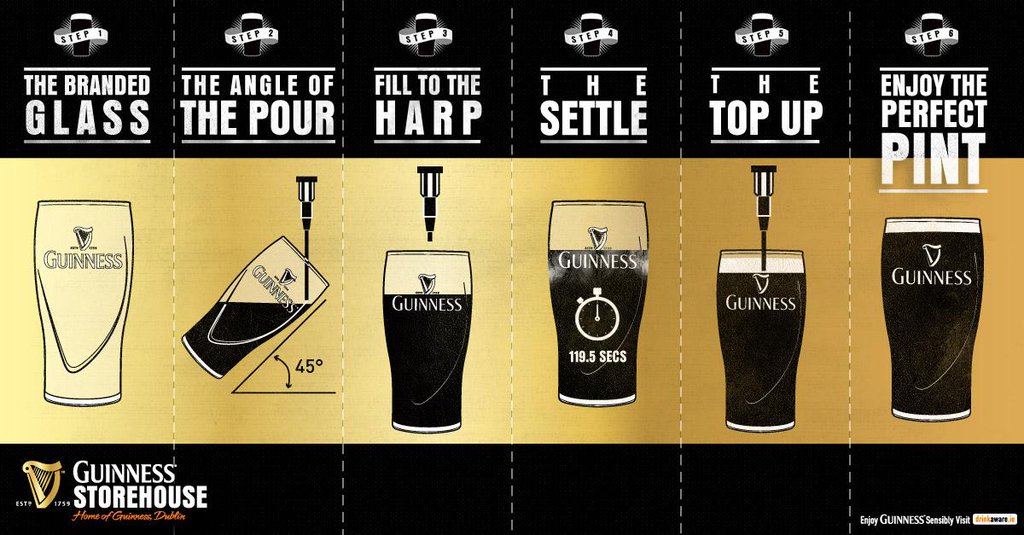
A well-poured pint also tells you something about the operation. If draft lines are neglected, glassware is warm, or staff rush a stout, it may not ruin dinner, but it suggests corners elsewhere. By contrast, pubs that care about cellar management often care about consistency more broadly. It is not a law, just a pattern that shows up often enough to notice.
Timing changes the experience more than most visitors expect
The same pub can feel like two different establishments depending on when you walk in. Midweek lunch often gives you the clearest read on the kitchen. The room is calmer, staff have a little more breathing space, and dishes arrive with more precision. Early dinner on a weekday can be similarly strong, especially in neighborhood pubs where regulars filter in after work and the service rhythm feels practiced rather than frantic.
Friday nights and weekends bring a different energy. That can be part of the charm, but it affects food. Fry stations run harder, the bar gets louder, and service priorities may shift. If your goal is to evaluate the menu seriously, Saturday at 8:30 p.m. In a crowded Manhattan pub is not ideal. If your goal is conviviality, noise, and a plate of something hearty alongside live music or a packed sports crowd, then it may be perfect.
Brunch deserves special mention. Some Irish pubs in NYC do brunch very well, especially where the kitchen leans into a proper Irish breakfast, smoked fish, black and white pudding, or potato-led dishes. Others treat brunch as a mandatory revenue block and offer forgettable eggs and syrupy cocktails. Again, the menu reveals the truth. If brunch looks copied from a generic city template, proceed carefully. If it reflects the pub’s identity, it is worth exploring.
Service style can be more direct than some diners expect
A good pub server often works with brisk confidence. You may not get the performative menu speech common in trend-driven restaurants, and that is fine. In fact, it can be a sign that the place is comfortable in its skin. Staff who know their regulars, move quickly, and answer specific questions clearly are often more useful than staff reciting memorized adjectives.
That said, there is a difference between efficient and indifferent. If you ask whether the chowder is more creamy than brothy, or whether the curry chips are shareable for two, a competent server should be able to tell you. Foodies should not hesitate to ask practical questions. Pubs are usually less precious about customization, but the best move is not to overcomplicate the order. These kitchens tend to excel when you understand the dish they want to serve.
One habit worth adopting is this: ask what the kitchen has been doing especially well lately. That phrasing gets better answers than “What’s good?” Staff hear “What’s good?” all day and often respond with safe defaults. Ask what people reorder, what sells out, or which special the cook is proud of, and you may get something more revealing.
Do not ignore the sides, they are where many pubs separate themselves
A pub can cook an adequate entrée and still lose the plate through neglect. Sides matter enormously in this format. Mash should be rich but not greasy, cabbage should have life left in it, roasted carrots should taste of themselves rather than sugar glaze, and coleslaw should bring actual acidity. A dense dish needs relief. The best kitchens understand that a plate of meat and potatoes becomes memorable only when the supporting pieces are sharp enough to frame it.
Brown bread, in particular, is often underestimated. When a pub bakes or sources a genuinely good brown bread, with proper grain character and a little sweetness, it signals standards. The same goes for house pickles, mustard, and tartar sauce. These are small things, but pub cooking is a sum of small things.
One of the best Irish pub meals I ever had in New York was not the most ambitious. It was a bowl of seafood chowder, a slab of brown bread, and a side salad that actually tasted fresh and thoughtfully dressed. Nothing on the table was flashy. Everything was correct. In a city addicted to spectacle, that kind of meal stands out.
A few dishes deserve a closer look
If you are choosing carefully, several staples are especially worth understanding before you order.
Fish and chips should be eaten immediately. This is not a dish that waits politely while you finish a cocktail or take ten photos. The batter loses steam, the fries soften, and the whole plate turns heavy. If you order it, commit to it.
Shepherd’s pie and cottage pie are often used interchangeably in American pubs, though traditionally shepherd’s pie is lamb and cottage pie is beef. Menus are not always strict on this point. Rather than arguing terminology, pay attention to flavor and texture. You want savory depth, not just mashed potatoes used as camouflage.
Irish breakfast dishes can be deeply satisfying, but they vary more than people expect. Imported sausages, rashers, black pudding, white pudding, beans, grilled tomato, mushrooms, eggs, and toast create a plate with many failure points. A strong version is worth ordering. A weak one can feel expensive and sloppy.
Seafood is the wildcard. In a pub with solid sourcing and turnover, chowder, smoked salmon, mussels, or fish specials can be excellent. In a place where seafood feels peripheral, stick to the sturdier standards.
If you care about value, think beyond portion size
Irish pubs often serve generous portions, but value is not just weight on a plate. It is satisfaction relative to price, atmosphere, and what the room does best. A $28 plate of beautifully done fish and chips in a comfortable pub with well-kept beer can be a better value than a cheaper plate in a place that skimps on fish quality and serves limp fries under harsh lighting.
New York pricing complicates this because occupancy costs are real, and pubs in central neighborhoods face the same math as everyone else. Expect variance. What matters is whether the menu feels honest about what it is offering. If a pub charges premium prices, the ingredients and execution should support that. If it positions itself as casual and accessible, the basics should still be solid. Foodies tend to forgive rusticity. They do not forgive laziness.
If you are trying a new pub and want to gauge value without overcommitting, there is a practical way to do it:
- Start with one signature appetizer or soup.
- Order one classic main rather than the most elaborate plate.
- Pair it with the beverage the pub is known for.
- Notice the bread, sauces, and sides as much as the centerpiece.
- Decide from that meal whether the kitchen earns a second visit.
That small strategy can save you from writing off a promising place too soon, or spending heavily in a room that was never going to reward it.
Atmosphere is part of the flavor
This is not a sentimental point. Environment changes how food is perceived. Wood, light, music volume, glassware, the distance between tables, and the cadence of service all influence appetite and memory. Irish pubs, when they work, create a kind of ease that many technically stronger dining rooms cannot. You relax into the meal. The stew tastes fuller, the pie more comforting, the pint more integrated with the plate in front of it.
For foodies used to minimalist interiors and precious plating, that can require a small adjustment. A pub meal is not always designed for visual drama. The pleasure is cumulative. It builds through warmth, timing, aroma, and the absence of friction. If you judge the experience only by plating aesthetics, you may miss the point.
That does not excuse tired rooms or poor maintenance. Sticky tables, stale fryer smell, and neglected restrooms tell you something real. But a slightly worn banquette or dark corner booth can be part of a pub’s appeal. Character and neglect are not the same thing. Experienced diners know the difference almost instantly.
The smartest diners meet the pub where it is
The best way to enjoy an Irish Pub NYC experience is not to lower your standards. It is to apply the right standards. Look for confidence rather than trendiness, consistency rather than reinvention, and hospitality that feels practiced rather than performed. Order the dishes that reveal craft in a format built on repetition. Pay attention to the sides, the pour, the pace, and the room itself.
When a pub gets these things right, it offers one of the most complete dining experiences in the city. You eat food that is meant to comfort without boring you, drink something that belongs with it, and spend time in a room that encourages appetite rather than distraction. For a serious eater, that is not a compromise. It is a pleasure, and in New York, it is one still worth seeking out.
Hibernia Bar
401 W 50th St
New York, NY 10019, United States
Phone: +1 212-969-9703
FAQ About Irish Pub NYC
What is the best Irish pub in NYC?
The best choice depends on your location and preferred atmosphere. Hibernia Bar is a neighborhood Irish pub in Hell's Kitchen offering Guinness, Irish whiskey, pub food, and sports viewing.
Where do Irish people go in NYC?
New York's Irish community gathers in many neighborhoods and venues. Hibernia Bar welcomes Irish expats, local residents, and visitors at 401 W 50th St, just off Ninth Avenue.
Where can I watch GAA games in New York?
Hibernia Bar lists GAA among the sports it shows. Call +1 212-969-9703 to confirm coverage and opening times for a particular match before visiting.
What is the difference between a bar and a sports bar?
A sports bar emphasizes televised games and a shared viewing atmosphere. Hibernia combines sports viewing with the food, drinks, and hospitality of a neighborhood Irish pub.