Why a Bar With Private Room Is Ideal for Networking Events
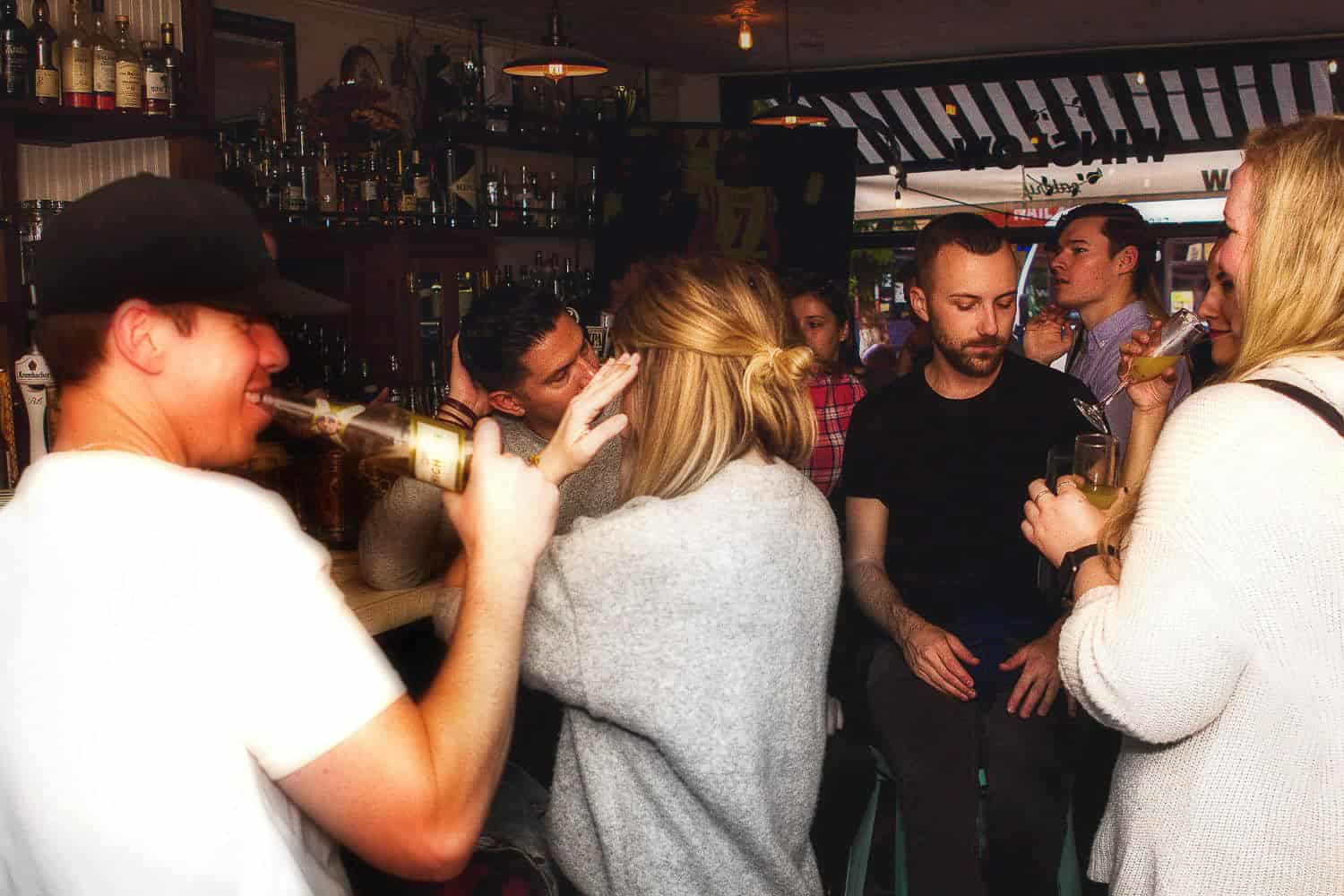
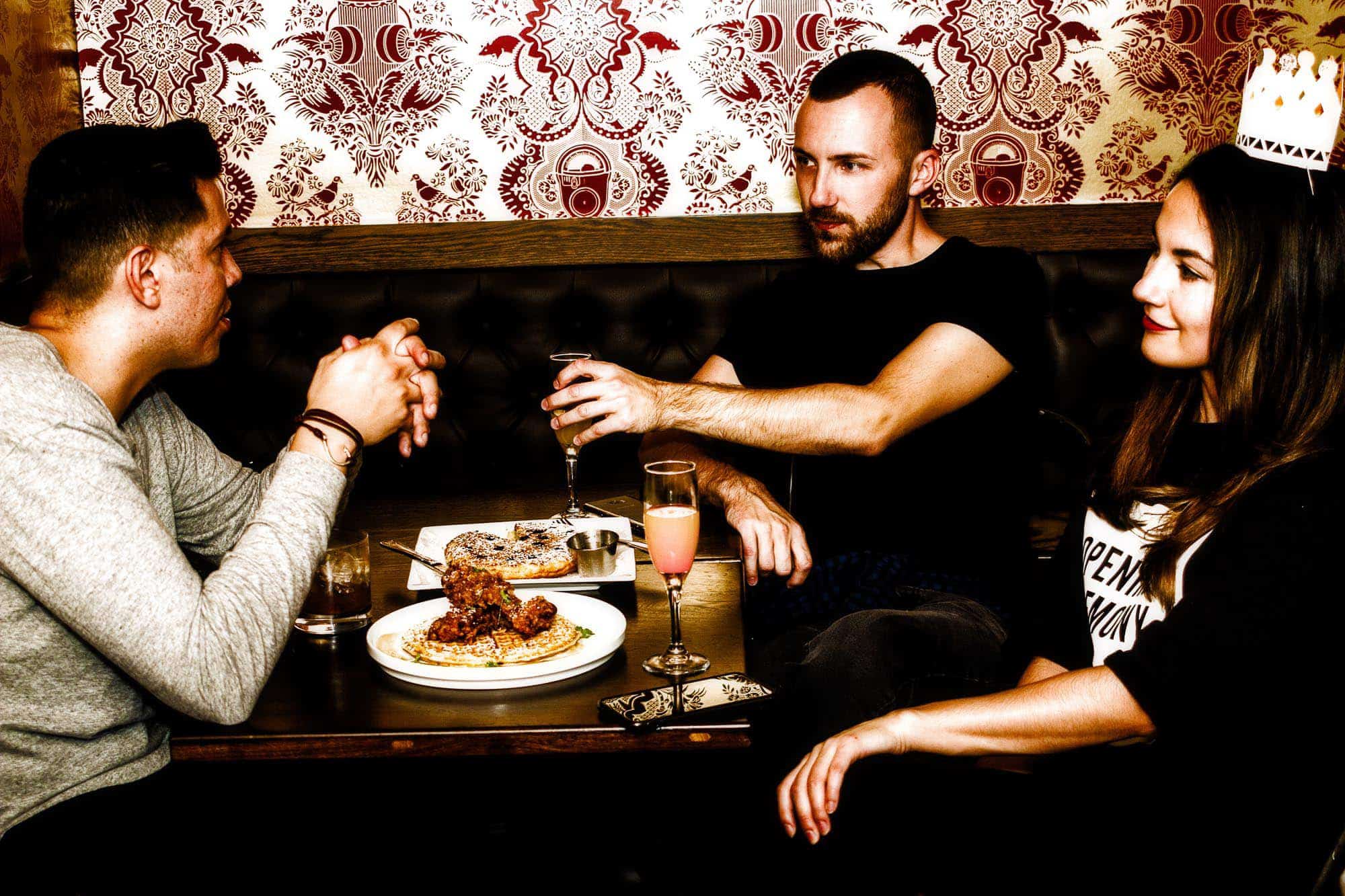
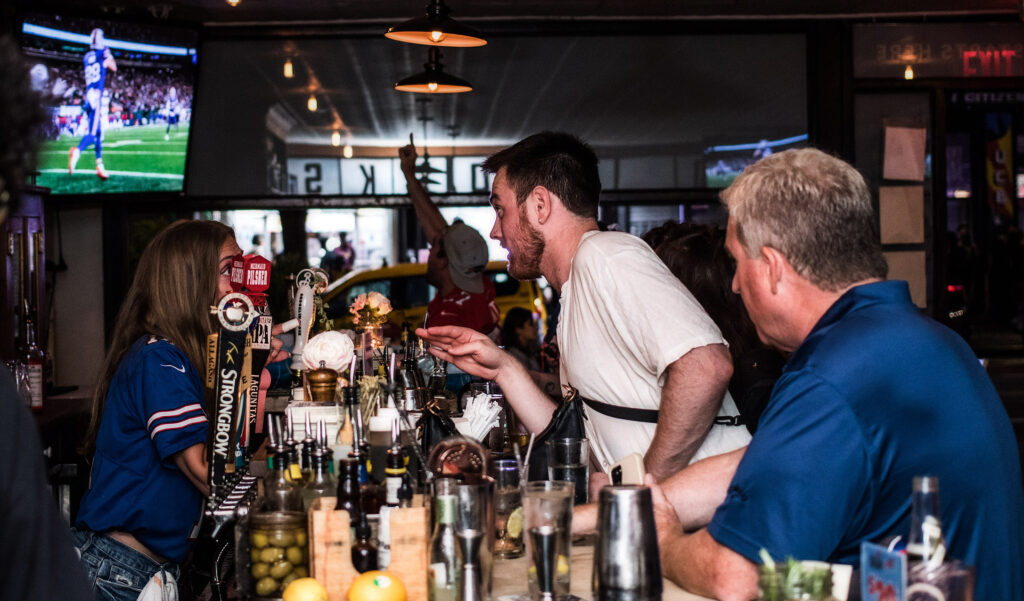
Networking events succeed or fail on details that people often underestimate. The guest list matters, of course. So does the host’s reputation, the clarity of the invitation, and whether the attendees have a good reason to show up. But venue choice has a disproportionate effect on the outcome. It shapes how long people stay, how easily they talk, whether conversations feel forced or fluid, and whether anyone leaves with a genuine connection rather than a pocket full of business cards they will never use.
That is where a Bar With Private Room stands out.
It solves one of the oldest problems in event planning: how to create an atmosphere that feels lively enough to be welcoming, yet controlled enough to support real conversation. Public bars can be too chaotic. Conference rooms can feel sterile. Restaurants sometimes lock guests into seated arrangements that limit circulation. A private room inside a bar strikes a more useful balance. It gives people the comfort and energy of a social venue, with just enough separation to make interaction manageable and productive.
After seeing networking events in hotel meeting suites, coworking lounges, restaurants, rooftops, and open bar spaces, I have found that the private-room bar format consistently performs well, especially for groups in the 20 to 80 range. It supports the practical mechanics of networking without making the evening feel like work.
The setting lowers social resistance
Many networking events struggle before the first conversation even begins. Guests walk in tense, scanning the room, wondering where to stand and who to approach. The more formal the setting, the more pronounced that tension becomes. People become self-conscious. They wait to be introduced. They cluster with coworkers. They check their phones.
A bar setting softens that edge. There is a built-in social script that people already understand. Order a drink, greet the host, stand near a high-top, join a small circle, then move on. Guests do not need much coaching because the environment itself tells them how to behave. That familiarity matters more than event organizers sometimes realize.
The private room improves the dynamic further. In a fully public bar, the atmosphere can be welcoming, but the distractions compete with your event. Patrons unrelated to the gathering fill the room. Screens pull attention. Music climbs. Your attendees may struggle to identify who belongs to the event and who does not. In a private room, the social ease of the bar remains, but the ambiguity disappears. Guests know they are in the right place. That small psychological reassurance makes it easier for them to relax and participate.
The result is simple: people start talking sooner.
Privacy creates better conversations, not just quieter ones
When planners hear “private room,” they often think first about noise control. That is a real benefit, but privacy does more than lower volume. It changes the quality of interaction.
Networking is rarely just about meeting more people. The real value comes from conversations with substance. A founder discussing fundraising, a recruiter explaining hiring needs, a consultant comparing market conditions with a potential client, these exchanges require enough calm to hear nuance and enough privacy to speak candidly. In a completely open venue, people stay on the surface. They trade short intros and generic pleasantries. In a private room, they are more willing to share the details that make a connection useful.
I have seen this happen at industry mixers where two guests moved from small talk into a serious partnership discussion simply because they did not have to compete with the main bar crowd. They could hear one another, pause, ask sharper questions, and stay with the topic. That kind of conversation is hard to force. It is much easier to allow, and venue design either helps or hinders it.
For hosts, privacy has another practical advantage. You can shape the room experience without the interruptions that come with a public floor. Welcoming remarks are audible. Sponsor mentions are not lost. A short panel, a round of introductions, or a founder spotlight can happen without asking guests to strain or shush the room.
The energy stays social without turning chaotic
A common mistake in networking event design is choosing one extreme or the other. Some hosts go too formal, booking a boardroom, lecture hall, or blank event space with bright lights and rows of chairs. Others overcorrect and throw everyone into a packed bar where conversation becomes a competitive sport.
A Bar With Private Room sits in the productive middle.
The larger venue still contributes ambient energy. Guests arrive through a place associated with leisure, conversation, and hospitality, not fluorescent obligation. That matters because people are more open when the evening feels enjoyable. At the same time, the private room gives the event its own center of gravity. You are not borrowing a corner of someone else’s night. You have a dedicated space with boundaries, identity, and purpose.
This balance is especially useful for professional groups that want to feel polished but not stiff. Think alumni gatherings, startup meetups, agency mixers, investor-founder socials, industry association receptions, or client appreciation events. These are not weddings, and they are not seminars. The format needs warmth and competence in equal measure.
A private room in a bar often delivers exactly that tone.
Layout matters more than people think
Good networking depends on movement. People need to enter easily, orient themselves quickly, and circulate without awkward bottlenecks. A private room usually offers more control over layout than an open section of a venue.
That control allows the host to correct common friction points. A registration table can sit near the entrance without blocking traffic. Name tags can be placed where guests naturally pause. Food can be set on the side wall instead of in the social center. A speaker area can be visible without dominating the room. Small standing tables can break up the space so attendees naturally form clusters of three to five rather than one giant, impenetrable mass.
A room that is too empty can feel cold, but a room that is overfurnished can trap people in fixed positions. The best private rooms for networking usually offer a flexible floor plan with limited seating, a few perches for drinks, and enough open space for circulation. If the venue staff understands events, they will often help adjust table placement before guests arrive. That ten-minute reset can improve interaction more than an expensive décor budget ever will.
There is also a less obvious benefit: private rooms make event density easier to manage. If you expect 40 people and the room comfortably holds 50 to 60 standing, it feels active. If those same 40 people are dispersed across a full public venue, the event can look underattended even if turnout is fine. Perception shapes energy. A room that feels appropriately full encourages people to stay, engage, and assume the event has momentum.
Food and beverage service becomes part of the experience
At many networking events, hospitality is treated as a side note. It should not be. The food and drink setup directly affects flow, mood, and dwell time.
Bars are already built to serve beverages efficiently. That sounds obvious, but it has real operational value. Guests know what to expect, staff know how to handle volume, and ordering feels natural rather than transactional. Even a simple package, one welcome drink plus light bites, can set a generous tone without turning the event into a full dinner.
The private-room format adds control. You can arrange for a dedicated server, pre-set trays, a limited menu, or hosted bar windows for the first hour. You can decide whether to prioritize speed, variety, or budget discipline. In a restaurant dining room, staff often have to balance your group https://raymonduigt778.fotosdefrases.com/how-a-bar-with-private-room-supports-personalized-service against the full house. In a private room, your event receives more coherent attention.
This becomes important because waiting is the enemy of networking. If guests spend fifteen minutes in a line for a drink, they lose momentum. If the appetizer station blocks the entry, people stall. If service is inconsistent, guests peel off early. A well-run private room avoids those problems.
One practical note from experience: heavy meals can slow an event down. For networking, lighter food usually works better. Guests keep moving, hands stay freer, and the evening feels more dynamic. Sliders, skewers, flatbreads, and small passed bites often outperform a buffet, even when the buffet looks more substantial on paper.
Hosts gain stronger control over the room
A networking event should not feel scripted, but it does need a host. Someone has to steer the pace, make introductions, thank partners, and create a little shape around the evening. That is much easier in a private room than in a fully public venue.
If you want to open with a three-minute welcome, you can. If you need to point out key guests or sponsors, people can actually hear you. If you are running a themed event, women in finance, local tech founders, healthcare operators, commercial real estate professionals, you can brand the room and set expectations without fighting the distractions of the main bar.
This control becomes especially valuable for curated networking, where the event is designed around a specific business goal rather than casual mingling. Perhaps the point is to introduce investors to founders, connect hiring managers with senior talent, or help local business owners meet referral partners. In those cases, room management matters. The host may need to guide people toward useful conversations, arrange brief remarks, or create a transition halfway through the night. A private room gives the structure needed to do that gracefully.
Public spaces can still work for very casual gatherings, especially recurring happy hours where the goal is loose community building. But if the event has sponsors, VIPs, a program element, or any expectation of polished execution, the private-room advantage becomes clear very quickly.
It signals intention without feeling exclusive in the wrong way
Venue choice sends a message before anyone says a word. Book a generic conference room, and the event may feel obligatory. Reserve a corner in a loud public bar, and it may feel improvised. Choose a Bar With Private Room, and the signal is stronger: this gathering was planned, the attendees matter, and there is a reason to be here.
That signal matters to turnout. People are more likely to accept invitations when the setting suggests a well-organized experience. It also matters to the quality of attendance. Professionals with crowded calendars tend to filter aggressively. A venue that promises comfort, conversation, and a touch of hospitality has a better chance of pulling them off the fence.
Still, there is a judgment call here. The room should feel intentional, not forbidding. If the private room is too hidden, too formal, or too luxurious for the audience, it can make guests feel they need permission to relax. The best networking spaces strike a tone of access. Guests should feel welcomed into a defined environment, not examined inside one.
That is why style fit matters. A startup crowd may thrive in a room with exposed brick, easy seating, and local beer. A law firm client event may need a more polished room with stronger acoustics and premium wine service. The private room concept is flexible, but not every room fits every audience.
Budget efficiency is better than many planners expect
There is a persistent assumption that private rooms are automatically expensive. Sometimes they are, especially in top-tier city centers on peak nights. But many bars structure private spaces in a way that is more accessible than planners expect. Instead of a large room rental, the venue may ask for a food and beverage minimum. If your guest count is healthy, that minimum often aligns with what you would have spent anyway.
Compared with blank event spaces, bars with private rooms can be surprisingly economical because so much is already built in. Furniture, glassware, bar staff, service staff, atmosphere, basic cleaning, and often sound support are already part of the operation. You are not starting from zero.
There are, however, real trade-offs to evaluate before booking:
- Minimum spends can be reasonable, but they need close reading. Taxes, service charges, and overtime can push the final bill higher than expected.
- Some private rooms have great ambience but poor acoustics. A site visit during live service hours tells you more than a glossy event brochure.
- Limited beverage packages may save money, but they can also create lines if not staffed properly.
- Peak nights, especially Thursday evenings in business districts, may carry stricter terms or shorter event windows.
- A room that technically fits 70 may only function well for 50 if the event includes food stations or brief remarks.
That does not make the model less attractive. It simply means the usual discipline of event planning still applies. Ask detailed questions. Visit in person. Understand exactly what is included. The point is not that every private room is a bargain. The point is that the cost-to-experience ratio is often stronger than people assume.
The format works especially well for mixed groups
One of the trickiest networking scenarios involves guests who do not all know one another and do not all come for the same reason. Perhaps you have clients, prospects, and referral partners in one room. Or founders, service providers, and investors. Or recent graduates mixed with senior executives.
A private room inside a bar handles that diversity well because it supports both structured and unstructured interaction. Guests who are naturally outgoing can circulate widely. Guests who are more reserved can settle into one conversation and expand outward gradually. The host can introduce people in a targeted way without making the room feel orchestrated.
This is also where the room’s edges help. In a broad public venue, mixed groups often fragment fast. Friends find friends. Colleagues stay with colleagues. Newer attendees struggle to break in. In a private room, the social field is smaller and more legible. People can read who is available, who is talking, and where there is room to join.
I have seen first-time attendees at industry events do much better in private rooms for exactly this reason. They are not wandering through a full bar trying to decode the crowd. They are in a defined environment where everyone is there for a related purpose. That lowers the risk of awkward approach moments, which is often the biggest barrier for less experienced networkers.
It supports brand presence without overproducing the event
For companies and organizations hosting networking events, there is often a delicate balance to maintain. You want the event to reflect well on your brand, but you do not want it to feel like a sales activation dressed up as a social gathering.
Private rooms help with that balance because they offer subtle branding opportunities. A sign at the entrance, branded cocktail napkins, a welcome display, a short host message, maybe a screen with a logo if the venue supports it, all of that can be done tastefully. The room carries your identity without needing stagecraft.
This matters because overproduction can kill spontaneity. When networking feels too branded, too scheduled, or too monitored, guests hold back. They assume every interaction has an agenda. A private room lets the host shape the environment while leaving enough softness for authentic exchange.
For sponsor-backed events, this is particularly useful. Sponsors want visibility, but attendees want value. A well-run room can satisfy both. Sponsors are acknowledged, represented, and present, while guests still feel free to connect on their own terms.
Timing and event design become easier to manage
Networking events often run best within a fairly tight window, usually 90 minutes to two and a half hours depending on audience and day of week. A private room supports that timing because it gives the event a clear start, middle, and end.
Guests arrive and immediately know where to go. There is no confusion about which area belongs to the event. The host can open the evening cleanly, even if only with a few brief remarks. People settle into circulation. If there is a programmed element, it can happen without derailing the room. Then the event winds down naturally, either because the hosted portion ends or because some guests move out into the main bar for more casual continuation.
That last point is underrated. One of the best things about a private room inside a bar is that it offers a graceful after-phase. Guests who want to leave can exit easily. Guests who want to deepen a conversation can migrate into the main venue. The formal boundary softens without collapsing.
That transition is much harder in stand-alone event spaces. Once the room booking ends, the night is over. In a bar setting, momentum can continue for those who want it, which often leads to the strongest connections of the evening.
What to look for before you book
Not every private room is automatically a good networking venue. The concept is strong, but execution depends on the specifics of the space and the competence of the operator.
When evaluating options, pay close attention to the things that most affect guest experience:
- Sightlines. Guests should be able to scan the room easily from the entrance.
- Acoustics. Hard surfaces look stylish, but they can make fifty voices sound like a hundred.
- Staffing. Dedicated service inside the room makes a major difference.
- Access. Restrooms, coat storage, and the bar itself should be easy to reach without breaking the event flow.
- Flexibility. The venue should be willing to adjust furniture, service style, and timing to suit your format.
If possible, visit at the same time of day and week as your planned event. A room that feels perfect on a quiet Tuesday afternoon can behave very differently at 6:30 p.m. On a Thursday. Listen to the spill from the main bar. Check whether the entrance is obvious. See how traffic moves in and out. Ask whether another private booking nearby could affect noise or service.
Those practical observations are rarely glamorous, but they are often what determine whether the event feels effortless.
Why this format keeps producing better outcomes
At its best, networking is not a numbers game. It is a setting problem. Put the right people in the wrong environment, and nothing meaningful happens. Put a mixed group of curious, useful professionals in a room that encourages comfort, movement, and conversation, and the odds improve dramatically.
That is the core strength of a Bar With Private Room. It combines hospitality with focus. It gives guests a reason to linger and a structure that helps them connect. It lets hosts manage the experience without overengineering it. It supports casual interaction and serious discussion in the same evening. And it does all of this in a format people already understand, which removes a surprising amount of social friction.
For networking events, that combination is hard to beat. The room does not make the guest list, and it cannot replace thoughtful hosting. But when the venue is right, people talk more easily, stay longer, and leave with relationships that have a better chance of turning into business, partnerships, referrals, or opportunities down the line. That is what most organizers actually want, and it is exactly why this format works.
The Winslow
Address: 243 E 14th St, New York, NY 10003
Phone number: +12127777717
FAQ About Bar With Private Room
Which bars in NYC offer private rooms?
Many bars in New York City offer private and semi-private rooms for parties and events, ranging from hidden basement speakeasies to upscale lounge spaces. Top options include The Back Room on the Lower East Side, Dear Irving Gramercy, Pebble Bar in Midtown, Mister Paradise in the East Village, and The Winslow in the East Village.
What is a private room in a pub called?
A small, private seating area or partitioned booth in a traditional pub is most commonly called a snug. Larger private rooms used for events, parties, or dining are typically referred to as private dining rooms, function rooms, or back rooms.
How much does a 2 hour open bar cost?
A 2-hour open bar generally costs between $15 and $45 per person, depending heavily on the quality of alcohol you choose. For a standard group of 100 guests, this translates to an overall cost of $1,500 to $4,500 before taxes, setups, and staff gratuities.